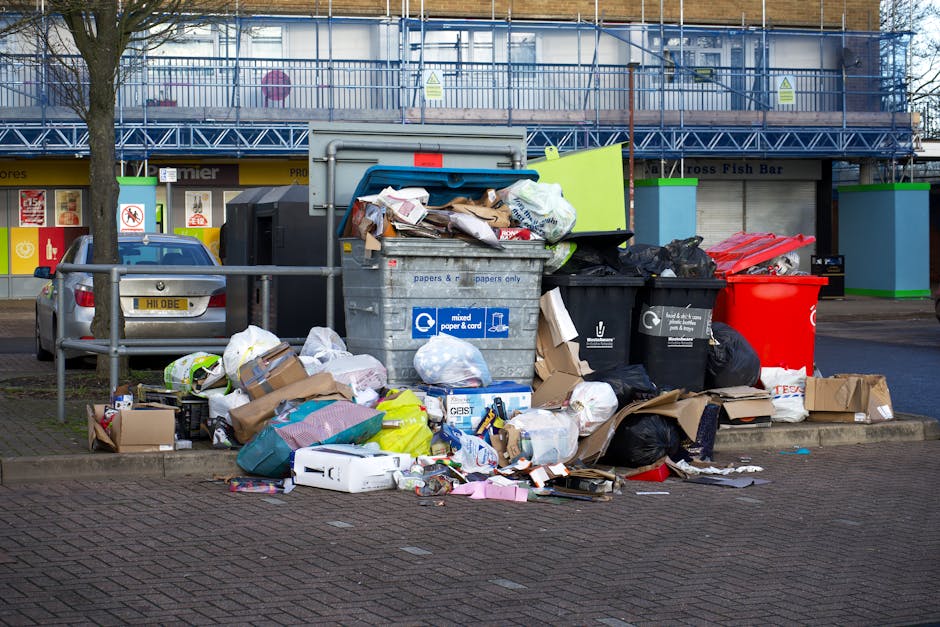
Charlton The Valley rubbish removal guide for match days
If you have ever left a match at The Valley and seen the ground around the stands, walkways, and nearby streets looking a bit too busy for comfort, you already understand the challenge. Match days create a very specific kind of waste problem: cups, food packaging, takeaway tubs, programme flyers, catering waste, broken bags, and all the little bits that seem harmless until they pile up fast. This Charlton The Valley rubbish removal guide for match days is here to make that mess easier to manage, whether you are planning for a busy fan crowd, looking after a venue space, or helping a local business stay clear and compliant.
Good rubbish removal around a football ground is not just about sweeping up at the end. It is about planning the flow, choosing the right collection method, keeping access clear, and making sure waste leaves the site quickly enough that it does not become a nuisance. Truth be told, the difference between a smooth match day and a stressful one is often just timing.
In this guide, you will find practical advice on what works best, who needs what, and how to avoid the common mistakes that cause delays, bad smells, blocked access, and unnecessary costs. A small bit of planning goes a long way. Really.
Table of Contents
- Why Charlton The Valley rubbish removal guide for match days Matters
- How Charlton The Valley rubbish removal guide for match days Works
- Key Benefits and Practical Advantages
- Who This Is For and When It Makes Sense
- Step-by-Step Guidance
- Expert Tips for Better Results
- Common Mistakes to Avoid
- Tools, Resources and Recommendations
- Law, Compliance, Standards, or Best Practice
- Options, Methods, or Comparison Table
- Case Study or Real-World Example
- Practical Checklist
- Conclusion
- Frequently Asked Questions
Why Charlton The Valley rubbish removal guide for match days Matters
Match days create a compressed waste event. A lot of people arrive in a short window, spend money on food and drink, then leave almost at once. That means waste appears quickly, in predictable places, and often at awkward times. Around The Valley, that can mean litter near entrances, overflowing bins by hospitality areas, and pressure on staff who are already dealing with crowd movement, cleaning, safety checks, and customer service.
Why does that matter? Because waste left unmanaged can affect far more than appearance. It can slow foot traffic, attract pests, create slip hazards, block fire routes, and make a venue look poorly run. For nearby businesses, it can also impact doorways, rear access, delivery points, and shared pavements. Nobody wants to be dodging pizza boxes on the way out of a match, let's be honest.
There is also the local image side of things. Charlton has a strong community feel, and when match day waste is handled badly, the problem is visible very quickly. When it is handled well, nobody really notices. That is usually the sign of good waste management: quiet, tidy, almost invisible.
If you are managing cleaning or waste around a busy event, it helps to think beyond simple bin emptying. You need a proper plan for collection, segregation, loading, and final removal. Services such as rubbish removal and commercial skip hire can be useful where larger volumes are involved, while waste recycling services support cleaner disposal practices.
How Charlton The Valley rubbish removal guide for match days Works
The process is simpler than it sounds, but it works best when you treat it like event logistics rather than a one-off clear-up. For match days, rubbish removal usually follows a short cycle: set up the collection points, monitor them during the event, clear overflow if needed, and remove waste promptly after the crowd has moved on.
In practical terms, here is what that looks like:
- Before kick-off: bins, sacks, and collection points are positioned where people naturally drop waste.
- During the match: staff or contractors monitor busy zones such as entrances, hospitality areas, food kiosks, and walkways.
- At half-time and full-time: high-volume waste is collected before it spreads into paths or seating areas.
- After the match: waste is removed from the site quickly, sorted if needed, and taken for appropriate disposal or recycling.
The exact setup depends on the size of the crowd and the type of waste. A small hospitality space may only need targeted bag collection and a quick pickup. A larger venue may need something more robust, such as a skip, a wait-and-load arrangement, or an arranged van collection. If access is tight, a wait and load skip hire arrangement can be especially practical because the vehicle arrives, loads quickly, and leaves without leaving a container behind.
For waste that arrives in bursts and must be removed the same day, a same day skip hire option can be helpful. If the site has limited room or a narrow access route, an enclosed or lockable unit may also make sense, particularly when you need to keep waste contained between collection rounds.
Key Benefits and Practical Advantages
A well-planned rubbish removal setup gives you more than a tidy floor. It reduces friction everywhere else in the operation. And on a match day, friction is exactly what you do not want.
- Cleaner public areas: less litter around entrances, steps, and seating zones.
- Safer movement: fewer trip hazards and less debris near busy footpaths.
- Faster turnaround: post-match clear-down becomes easier and less disruptive.
- Better presentation: the venue and surrounding area look looked-after, not overrun.
- Improved recycling: waste can be separated more effectively when the system is clear.
- Less stress for staff: teams can focus on service instead of fighting a waste backlog.
There is also a commercial benefit for businesses near the ground. On match days, waste control can support smoother deliveries, fewer complaints, and a better first impression for customers. If you manage a cafe, pub, takeaway, office, or retail unit nearby, then a reliable collection schedule matters just as much as the actual disposal method. In that situation, office clearance may not be the obvious choice, but similar planning principles apply: clear it quickly, clear it properly, and do not let it linger.
Key takeaway: the best match-day waste plan is the one that prevents waste from becoming visible chaos in the first place.
Who This Is For and When It Makes Sense
This guide is useful for more people than you might expect. Yes, it helps event teams, but it also helps the local businesses and contractors who end up dealing with the knock-on effects.
- Venue managers who need reliable clean-up after crowds move through.
- Hospitality operators handling food, drink, packaging, and glass waste.
- Local shops and cafes near The Valley that want their frontage clear and usable.
- Facilities teams responsible for bin stores, loading areas, and external grounds.
- Contractors preparing or tidying temporary event structures.
- Residents living nearby who want to plan around busy match days and access restrictions.
It makes sense whenever waste volume is likely to spike, access is time-sensitive, or the area needs to look presentable for a public event. If you are clearing after a short burst of activity, the right approach might be a direct collection. If waste is building up across a longer project or series of events, a more structured service can save you from repeating the same scramble every time.
For smaller, mixed loads, many people also compare man and van style removals with a more fixed waste container. For heavier event-related loads, especially where breakables or bulk packaging are involved, the final choice often comes down to access and speed.
Step-by-Step Guidance
If you want a smooth system, build it step by step. This part is straightforward, but skipping one stage usually causes trouble later. I have seen that enough times to know the pattern.
1. Estimate the likely waste
Start by looking at the crowd size, catering provision, hospitality activity, and any temporary structures. A match day with food stalls and premium seating will produce a very different waste pattern from a standard turnstile-only event. Think about cups, cans, cardboard, food scraps, plastic wrap, and any packaging from suppliers.
2. Separate waste types early
Mixed waste is harder to handle, more expensive to sort, and more likely to cause contamination. If you can separate recycling, general waste, and heavier items from the start, everything gets easier. That applies especially to cardboard, food packaging, and any items that can be reused or recycled responsibly.
3. Match the removal method to the space
Not every site has room for a skip, and not every event can wait for a scheduled collection. If access is tight, a wait and load skip hire arrangement may be the neatest option. If you need something more flexible for a burst of waste after a match, rubbish removal may suit better. For larger ongoing volumes, look at skip hire and choose a size that does not overfill the available space.
4. Keep access routes clear
Waste collection should not block delivery doors, emergency access, or public walkways. This sounds obvious, but in a busy match atmosphere obvious things get missed. Mark out where bags, bins, and loading points will sit. A few cones or clear instructions can save a headache later.
5. Remove waste quickly after the event
The longer waste sits, the more difficult it is to manage. Food waste starts to smell, rain makes packaging soggy, and loose litter spreads with the wind. If you are operating on a tight turnaround, same day skip hire or a pre-booked collection window can keep the site usable by the next morning.
6. Review what worked
After the match, take five minutes to ask what caused friction. Was one bin bay overloaded? Did deliveries arrive late? Was the collection point too far from the exit? Those small observations matter. They are often the difference between a decent system and a really good one.
Expert Tips for Better Results
A few practical habits make a bigger difference than most people expect. These are the sorts of details that do not sound exciting, but they save time and keep everyone calmer on the day.
- Place bins where people naturally pause. If waste points are hidden away, people will not use them properly.
- Use clear labels. A quick "recycling" or "general waste" sign works better than fancy wording.
- Plan for the ugly stuff. Sticky cups, food trays, napkins, and spilled drinks are part of the job.
- Have a backup route. If the main access point becomes crowded, another collection route can keep things moving.
- Choose the right container size. Too small and you get overflow; too large and you may waste space or money. The skip sizes and prices page is useful when you need to compare options.
If your waste is spread over a large area, a single collection point may not be enough. In that case, zone-based picking works well: one set of bags for hospitality, one for external walkways, one for litter-pick rounds, and one for back-of-house material. Simple, but effective.
And one more thing: do not leave the planning to "we'll sort it after the final whistle." That is rarely a plan. It is more of a hope, and hopes can be expensive.
Common Mistakes to Avoid
Most match-day waste problems come from the same handful of errors. Avoid these and you avoid a lot of hassle.
- Underestimating the volume: crowds generate more waste than people expect, especially around food and drink points.
- Poor timing: collections arranged too early or too late can disrupt the event or leave waste sitting around.
- Using the wrong method: a skip is not always the answer, and a van collection is not always enough.
- Ignoring access issues: narrow roads, parked vehicles, and crowd movement can make a simple job awkward.
- Mixing hazardous items with general waste: this creates compliance and safety problems.
- Forgetting recycling separation: once materials are mixed, the recycling opportunity becomes much weaker.
A common one near busy grounds is assuming all waste can be swept up at once after the event. In reality, some waste needs to come out earlier in smaller rounds. If you wait too long, bins overflow, the smell gets worse, and clean-up slows down. Nobody wants that, especially on a cold evening when everyone just wants to get home.
Tools, Resources and Recommendations
You do not need a complicated kit to manage match-day waste properly, but the right basics help a lot. Think of this as the practical side of keeping things under control.
| Option | Best for | Strengths | Limitations |
|---|---|---|---|
| Rubbish removal | Mixed small-to-medium loads | Flexible, quick, minimal planning | Can be less efficient for recurring high volumes |
| Skip hire | Larger or repeated waste volumes | Convenient for bulk waste, easy to keep on-site | Needs space and sometimes permits |
| Wait and load | Sites with limited room | No long-term container on site, fast turnaround | Requires precise timing |
| Man and van | Smaller collections and flexible loads | Handy for awkward access and lighter loads | Less ideal for very large event waste |
Useful supporting pages to review if you are planning a wider waste setup include what can go in a skip, skip permits, and recycling and sustainability. If you are comparing waste solutions for a commercial venue, commercial skip hire is worth a look too.
For one-off clean-ups after match-day catering, temporary signage, or a fan zone installation, services like grab hire services can also be a practical fit where access allows it. It is not glamorous work, but then rubbish rarely is.
Law, Compliance, Standards, or Best Practice
When waste comes from a public venue or commercial activity, compliance matters. You do not need to overcomplicate it, but you do need to take it seriously.
In the UK, anyone arranging waste collection should make sure the waste is handled by a properly authorised carrier and taken to an appropriate facility. Mixed event waste should be managed carefully, and any hazardous items need separate treatment. If you are unsure whether an item is allowed in a container, check guidance before loading it. Services such as hazardous waste disposal exist for a reason, and it is better to separate the problem early than deal with it later.
Good practice also means keeping waste secure, preventing leakage, and avoiding contamination where possible. For venues dealing with paperwork, tickets, staff records, or customer data, confidential shredding may be useful alongside general waste planning.
If a skip or container is placed on a public road, permits may be needed. That depends on location and access, so it is sensible to confirm the details in advance. The page on skip permits is a sensible starting point, and the same is true for any job where you need to balance speed with legal responsibility.
Practical rule: if waste might cause risk, nuisance, blockage, or contamination, treat it as a managed operational issue, not just "rubbish".
Options, Methods, or Comparison Table
For match-day waste around The Valley, the best method depends on space, timing, and how quickly you need the site cleared. Here is a simple comparison to make the choice easier.
| Method | Best when | What to watch out for | Overall fit |
|---|---|---|---|
| Rubbish removal | You need a quick clear-up of mixed waste | May need careful scheduling around the crowd | Strong for flexible, fast jobs |
| Skip hire | Waste volume is high or ongoing | Space, access, and permit questions | Strong for larger planned events |
| Wait and load | There is no room to leave a container | Collection timing has to be very accurate | Very good for tight urban access |
| Man and van | The load is smaller or awkwardly placed | Not ideal for very bulky waste streams | Good for lighter, flexible collections |
If you are dealing with bulky leftover items from hospitality, temporary seating, or event structures, it can also help to think beyond simple bin emptying. For example, larger boards, worn furniture, or damaged equipment may need mattress and sofa disposal style handling if similar bulky-item disposal is involved. Fridges, chillers, and other appliances should be dealt with separately through fridge and appliance removal.
Case Study or Real-World Example
Picture a Saturday match day with a busy pre-game build-up. A local hospitality operator near The Valley sets up outdoor service, keeps drinks flowing, and takes in a steady stream of customers from late morning through to kick-off. By half-time, the bins are already full of cups, napkins, food trays, and cardboard sleeves. Then the crowd pushes back out again after the final whistle, and suddenly the whole area looks like it has had a very long day.
In that kind of scenario, the cleanest result usually comes from a simple three-part plan:
- Before the crowd arrives: position collection points in visible spots and brief staff on where waste should go.
- During peak periods: empty high-volume bins before they overflow, especially near food queues.
- After the match: arrange a prompt collection so the site can reset before the next trading window.
That approach is often better than waiting for one huge clear-up. Why? Because smaller, timely clearances keep the area safer, make recycling easier, and reduce that unpleasant "overflowing bin" look that can undo a lot of hard work. If access is limited after the match, a fast turnaround service such as same day skip hire or a targeted collection from rubbish removal can save the day. Or the evening, more accurately.
The main lesson is simple: the waste plan works best when it is built around crowd movement, not around the clock alone.
Practical Checklist
Use this checklist before and after match day to keep things under control.
- Estimate the likely waste volume from food, drink, packaging, and back-of-house activity.
- Decide where general waste, recycling, and bulky items will be collected.
- Check whether the site has enough room for a skip or needs a more flexible option.
- Confirm access routes for vehicles, staff, and emergency movement.
- Decide whether you need book online in advance or a same-day response.
- Review if a permit may be needed for any container placed on public land.
- Make sure hazardous, electrical, or confidential waste is separated properly.
- Prepare bins, sacks, and labels before the crowd arrives.
- Schedule a post-match clear-down window rather than hoping to fit it in later.
- Check the site again the next morning for missed litter, spillages, or overfilled points.
Quick reminder: the best clean-up is usually the one nobody has to think about twice.
Conclusion
Match days around The Valley bring energy, noise, movement, and a fair bit of waste. That is just reality. But with the right plan, rubbish removal does not have to be chaotic or expensive. The key is to match the disposal method to the site, the timing, and the volume of waste you expect. Once you do that, the whole job becomes much more manageable.
Whether you need a fast post-event clear-up, a planned collection for recurring match days, or a broader waste strategy for a nearby business, the aim is the same: keep the area safe, tidy, and easy to use. That is good for staff, good for visitors, and good for the local area too.
If you are weighing up the best option for your site, compare the available services carefully, think about access and timing, and choose the route that gives you the least disruption with the cleanest result. Small details matter here. They really do.
Get a free quote today and see how much you can save.
And if all you manage this week is a cleaner exit route and one less overflowing bin, that is still a win. Sometimes the quiet fixes are the best ones.
Frequently Asked Questions
What is the best rubbish removal option for match days at The Valley?
It depends on space, volume, and timing. For quick mixed loads, rubbish removal or man and van collections can be useful. For larger or repeated volumes, skip hire or wait and load is often more practical.
Do I need a skip permit for match-day waste collection?
You may need a permit if a skip or container is placed on public land or a road. If the collection stays entirely on private property, a permit may not be necessary, but it is best to check in advance.
Can I use same-day waste removal after a Charlton match?
Yes, if the provider has availability and the access route works. Same-day collections are often helpful when waste builds up faster than expected or when the site needs to be reset quickly.
What types of waste are common on match days?
Typical match-day waste includes cups, cans, food packaging, takeaway containers, napkins, cardboard, litter, and in some cases bulky items from temporary setups or hospitality areas.
How do I keep bins from overflowing during a busy event?
Place bins where people naturally use them, clear the busiest points before they fill up, and add collection rounds during peak times. A bit of anticipation goes a long way.
Is wait and load better than leaving a skip on site?
It can be, especially where space is tight or you do not want a container sitting on site for long. Wait and load is useful when you need a fast turnaround with minimal disruption.
What should never go in mixed event waste?
Hazardous materials, electrical items, and anything that needs separate handling should not go in mixed general waste. If you are unsure, separate it first and check the disposal route.
How can nearby businesses benefit from a rubbish removal plan?
A proper plan keeps entrances clear, reduces nuisance, supports deliveries, and improves the overall appearance of the area. That matters a lot when footfall is high and turnover is fast.
What is the difference between rubbish removal and skip hire?
Rubbish removal is usually more flexible and suited to quicker collections, while skip hire is better for larger volumes or ongoing waste that needs a container on site.
Can waste from match-day hospitality be recycled?
Often yes, at least in part. Cardboard and some packaging can usually be separated if the waste stream is organised properly. Clean separation is the key thing.
How do I choose the right service for a small venue near The Valley?
Look at access, waste volume, and how quickly you need everything removed. For smaller venues, a flexible collection can be easier than arranging a large container. If the waste is limited but time-sensitive, that usually points towards a lighter-touch solution.
Where can I learn more about choosing the right waste setup?
Helpful starting points include skip sizes and prices, what can go in a skip, and pricing and quotes. If you want to understand the company background as well, about us is worth a read.