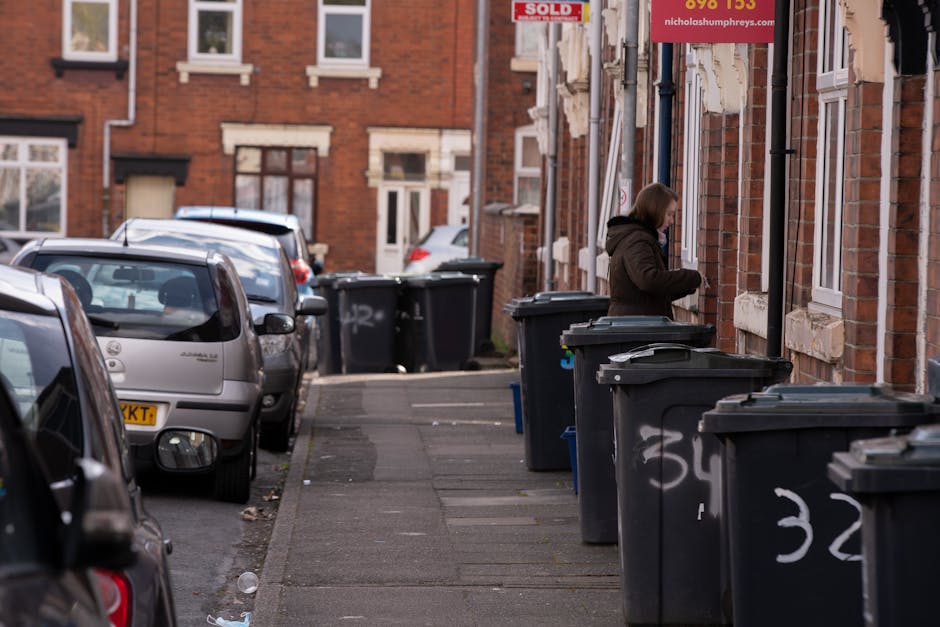
Woolwich Road household rubbish clearance tips Charlton
If you're trying to clear household rubbish on or around Woolwich Road in Charlton, the job can feel deceptively simple at first. Then the bags start piling up, the bulky items appear, and suddenly you're wondering what can be reused, what needs special handling, and how to get it all out without making a mess of the pavement or your weekend. These Woolwich Road household rubbish clearance tips Charlton are written to help you do exactly that: clear waste safely, efficiently, and with fewer surprises.
Whether you're emptying a spare room, dealing with post-renovation clutter, or just tired of the "I'll deal with it later" corner in the hallway, the right approach saves time, stress, and money. Below, you'll find a practical, local-minded guide covering planning, sorting, collection options, compliance, and the little details people often miss until the last minute.
Table of Contents
- Why Woolwich Road household rubbish clearance tips Charlton matters
- How Woolwich Road household rubbish clearance tips Charlton works
- Key benefits and practical advantages
- Who this is for and when it makes sense
- Step-by-step guidance
- Expert tips for better results
- Common mistakes to avoid
- Tools, resources and recommendations
- Law, compliance, standards, or best practice
- Options, methods, or comparison table
- Case study or real-world example
- Practical checklist
- Conclusion
- Frequently asked questions
Why Woolwich Road household rubbish clearance tips Charlton Matters
Household rubbish clearance sounds straightforward until you're doing it in a real home, on a real street, with limited space and a deadline. Woolwich Road has the usual London realities attached to it: parking pressure, narrow access in some spots, neighbours to consider, and the practical headache of moving waste from front room to collection point without blocking everything else.
Good clearance habits matter because waste piles up quickly. A few broken chairs, old boxes, a mattress, a couple of bags from the loft, and suddenly the room is unusable. If you're preparing for a move, a tenancy handover, a loft clear-out, or simply getting the house back under control, planning the clearance properly makes the whole process calmer. To be fair, it also stops you making half a dozen unnecessary trips to the tip and wondering why the boot of the car now smells faintly of old carpet.
There's another reason this matters: not everything classed as "household rubbish" can go in one pile. Mixed waste, electrical items, furniture, textiles, sharp objects, and anything potentially hazardous all need different handling. If you sort as you go, you reduce risk and make the final collection much smoother.
For many Charlton households, the best outcome is not just "everything gone". It's a cleaner, safer, more usable home, with waste dealt with properly and as little disruption as possible. That's the real win.
How Woolwich Road household rubbish clearance tips Charlton Works
The process is basically this: assess the waste, separate it into sensible categories, decide how it will be removed, and make sure the method matches the type and volume of rubbish you actually have. Simple in theory. Slightly more chaotic in practice.
Start by walking through the property room by room. This avoids the classic mistake of dragging everything into one mountain and then realising you've mixed recyclable cardboard with damaged furniture, old paperwork, and an appliance that needs specialist removal. A better approach is to group waste into categories such as general rubbish, reusable items, bulky furniture, garden waste, electricals, and restricted materials.
From there, you can choose the most suitable clearance route. Some homes need a straightforward load-and-go rubbish removal service. Others are better suited to a domestic skip hire setup, especially if the clear-out is likely to span a day or two. If access is tight, a wait and load skip hire option can make more sense because the waste is loaded while the vehicle is present, which avoids leaving a skip outside. In some cases, if the waste is awkward, heavy, or unusually bulky, man and van clearance may be the neatest solution.
In our experience, people often think the hard part is lifting the rubbish. It's usually the decision-making before that: what stays, what goes, what can be recycled, and what needs special disposal. That's where the time gets eaten up. Get that part right and the rest becomes much easier.
Key Benefits and Practical Advantages
There are some very ordinary, very useful benefits to handling household rubbish clearance properly. Nothing flashy. Just solid advantages that you notice immediately.
- Less clutter, more usable space: Rooms feel bigger as soon as the old waste is removed.
- Safer movement around the home: Fewer trip hazards, fewer sharp edges, fewer awkward stacks in hallways.
- Cleaner sorting: Recycling and disposal become easier when rubbish is separated before collection.
- Lower stress on collection day: A planned clearance is far less frantic than an ad hoc one.
- Better use of skip or vehicle space: Compact, organised waste usually means better value.
- Less risk of rejected items: Knowing what can go in a skip or into a load prevents complications.
There's also a practical financial angle. A tidy, well-sorted load is usually more efficient to remove than a mixed, badly packed one. You may not notice the difference at first glance, but it often shows up in time saved and fewer return trips. If you want to understand your options in more detail, it helps to look at skip sizes and prices before choosing a method.
And if you're trying to be more environmentally sensible about it, sorting rubbish properly gives you a much better chance of diverting recyclable material away from general waste. That's especially useful where cardboard, metal, wood, and clean garden cuttings are involved.
Who This Is For and When It Makes Sense
This type of household rubbish clearance is useful for a wide range of people, not just those facing a full house clearance. Sometimes it's the "small jobs" that quietly become the biggest nuisance.
- Homeowners clearing lofts, sheds, garages, or spare rooms.
- Tenants preparing to leave a property tidy and ready for inspection.
- Landlords dealing with leftover contents after a tenancy ends.
- Families who have accumulated bulky waste after a clear-out or refurbishment.
- People supporting relatives through a sensitive house clearance.
- Anyone with limited parking or access who needs a collection method that fits the street.
It also makes sense if the job is a mixed one. For example, if the back garden has old fence panels, the loft contains boxes and broken suitcases, and the kitchen has a dead appliance waiting by the door, a blended approach may be more practical than a single solution. That could mean combining house clearance with garage and loft clearance or arranging fridge and appliance removal for the heavy items that need extra care.
Truth be told, if you are looking at a pile and thinking, "This is bigger than I expected," you're probably already at the point where proper planning pays off.
Step-by-Step Guidance
Here's a clean, practical way to handle a household rubbish clearance around Woolwich Road without turning it into a weekend saga.
- Walk the property first. Don't start moving bags before you've seen the whole picture. Check the loft, under beds, the shed, cupboards, and any outdoor storage.
- Sort into categories. Separate general rubbish, recycling, furniture, electricals, garden waste, and anything that looks hazardous or restricted.
- Remove keepers immediately. Put aside items you plan to sell, donate, store, or reuse. This stops useful things getting mixed into the waste stream.
- Break down bulky items. Flat-pack furniture, remove table legs if practical, and fold cardboard. A little dismantling can save a lot of space.
- Check what is allowed. If you are using a skip, review what can go in a skip before loading anything questionable.
- Choose the right removal method. If you have lots of mixed household waste, a domestic skip may work. If you need quick turnaround, consider same day skip hire. If the waste is small but awkward, a collection service may be better.
- Prepare access. Clear the path from house to street, unlock gates, move cars if needed, and think about where the vehicle can safely stop.
- Load safely and logically. Heavier items go in first where possible. Don't create a top-heavy mess. Stack neatly and avoid voids that cause shifting.
- Double-check restricted waste. Hazardous materials, certain appliances, and confidential paperwork should be handled separately where required.
- Finish with a sweep-through. Once the waste is gone, do a final check for screws, glass, loose packaging, and stray debris.
If you're handling confidential paperwork during the clear-out, don't just toss it in with everything else. A dedicated option such as confidential shredding is the safer choice.
Expert Tips for Better Results
A few small habits make a surprisingly big difference. These are the sorts of things that separate a smooth job from a frustrating one.
- Use bags and boxes consistently. Mixed loose waste creates wasted space and slows everything down.
- Keep wet and dry waste apart. Damp rubbish is heavier, messier, and more awkward to handle.
- Label piles if several people are involved. A bit of masking tape and marker pen avoids confusion. Not glamorous, but it works.
- Leave a clear loading zone. Even one spare metre of space near the door can save time and back strain.
- Plan around the street. In a busy Charlton side road, think about school-run times, delivery windows, and neighbours parking outside. That sort of thing matters more than people expect.
- Use the right vehicle or container for the job. Overfilling a small option usually creates more hassle than it saves.
One practical observation: people often underestimate the weight of "light-looking" waste. Old books, wet cardboard, soil from plant pots, and broken bathroom fittings can add up quickly. The bag looks harmless. Your arms disagree ten minutes later.
If the clearance involves mixed household waste plus a bit of garden cutback, it can help to combine services rather than forcing everything into one category. A coordinated approach using garden waste removal alongside household clearance often gives a cleaner result.
Common Mistakes to Avoid
Most clearance problems come from a handful of predictable mistakes. The good news? They're easy to avoid once you know what they are.
- Starting without sorting. This is the big one. Mixing everything together leads to slower loading and possible disposal issues.
- Forgetting about access. A service can be delayed if the vehicle cannot get close enough to the property.
- Ignoring restricted items. Some materials cannot simply be added to household waste. If in doubt, check first.
- Choosing the wrong clearance method. A small van might not suit a full loft clear-out, while a skip may be overkill for a few bags and a chair.
- Loading bulky waste haphazardly. Poor stacking wastes space and may make the load unsafe.
- Leaving the job until the last minute. Everyone does this sometimes. Still, a deadline makes waste sorting twice as irritating.
Another common slip is failing to separate reusable items. If there's furniture that could be donated, or clean storage boxes that could be kept, it's worth pausing before everything heads into the waste pile. A little patience here can save unnecessary disposal cost and reduce waste.
Tools, Resources and Recommendations
You do not need a giant toolkit to clear household rubbish well, but a few simple items make the job much easier. Think practical, not fancy.
- Heavy-duty sacks for mixed household rubbish.
- Gloves with a proper grip for handling awkward or dusty items.
- Tape and labels for marking keep, donate, recycle, and dispose piles.
- Trolley or sack truck if you're moving heavier items from upstairs or from a rear garden.
- Dustpan and brush for the final sweep once the waste is out.
- Rubble sacks or boxes for sharp or fragmented waste such as tile pieces or broken shelving.
On the service side, it helps to understand the differences between collection routes. A dedicated rubbish removal service is often best for mixed household waste that needs lifting out of rooms. A skip works well if you want time to fill it gradually. If the load is awkward or access is tight, a grab hire service can be useful because the material is collected efficiently from ground level, which reduces manual handling.
For larger household clear-outs where you want a broader overview of disposal choices, the pages on rubbish removal and house clearance are worth a look. They help you compare the kind of support that fits your situation best.
Law, Compliance, Standards, or Best Practice
With household rubbish clearance, the safest approach is to treat disposal carefully and avoid assumptions. In the UK, waste should be handled responsibly, and if you are using a third party, it is wise to make sure they operate properly and can deal with waste in line with accepted practice. You do not need to become a legal expert, but you should know the basics.
For householders, the main best-practice points are straightforward:
- Do not place hazardous or restricted items into general household waste.
- Keep electrical items separate where possible.
- Make sure any service you use is clear about how waste is handled and recycled.
- Do not overload skips or collections beyond safe working limits.
- Think about neighbours, access routes, and keeping the street clean.
If you need to place a skip on the public highway, permit requirements may apply. That is why checking skip hire permits is an important step before booking. The same is true for waste types that need specific disposal arrangements, such as appliances or potentially sensitive materials.
For peace of mind, many people also prefer to work with a provider that publishes clear policies around safety, payment, and recycling. Those details may seem dull on paper, but they matter when you want confidence that the waste is being handled properly. No one enjoys dealing with disposal problems after the fact.
Options, Methods, or Comparison Table
Different situations need different approaches. What works brilliantly for a garage clear-out may be clumsy for a quick hallway tidy. Here's a simple comparison to help you choose.
| Method | Best for | Strengths | Watch-outs |
|---|---|---|---|
| Domestic skip hire | Mixed household waste, ongoing clear-outs | Flexible, good capacity, useful for gradual loading | May need permit if placed on the road; you need space for delivery |
| Wait and load | Short jobs, limited access, no space for a skip | Fast, tidy, avoids leaving a container outside | Requires the waste to be ready when the vehicle arrives |
| Rubbish removal | Households wanting hands-on loading support | Convenient, less lifting for you, efficient for mixed loads | Needs good item sorting beforehand for the smoothest outcome |
| Grab hire | Heavier loads, loose material, ground-level waste | Quick collection, suitable for awkward bulk | Access still matters; not ideal for every indoor clear-out |
If you are still deciding, a useful rule is this: choose the method that best matches access, volume, and how much time you can realistically spend sorting. That simple filter removes a lot of guesswork.
Case Study or Real-World Example
Here's a typical Charlton scenario. A family on Woolwich Road decides to clear a spare room, part of the loft, and the back of the garage before a decorating project begins. The room contains old toys, broken shelving, cardboard boxes, a stained mattress, several black bags of general rubbish, and a few items they might keep if they can find space.
Instead of piling everything in the hallway, they do a quick room-by-room sort. Keep items go into one corner. Recycling into another. Bulky waste gets broken down where possible. The mattress is separated, and the old appliance from the garage is set aside for separate handling. Because the access is tight and they don't want a skip sitting outside all weekend, they choose a method that suits the street and the schedule rather than forcing a one-size-fits-all solution.
The big difference isn't just speed. It's calm. By the end of the day the house feels lighter, the dust has been cleared, and no one is standing around wondering why they started this in the first place. That happens, by the way. A lot.
What made the job work well was not any single dramatic trick. It was a sensible plan, decent sorting, and a removal method matched to the property. That is the core lesson here.
Practical Checklist
Use this checklist before your household rubbish clearance starts:
- Walk through every room, loft, shed, and storage space first.
- Sort items into keep, recycle, dispose, and unsure.
- Set aside appliances, mattresses, sharp items, and paperwork separately.
- Break down furniture and flatten cardboard where safe to do so.
- Check access for the collection vehicle or container.
- Confirm whether a permit may be needed if the container will go on the street.
- Review what can and cannot be loaded with the chosen method.
- Keep pathways clear for safe lifting and movement.
- Have gloves, tape, sacks, and a brush ready.
- Do a final sweep for nails, glass, and stray packaging after collection.
Quick takeaway: the best Woolwich Road household rubbish clearance tips Charlton are the boring-sounding ones that actually save time: sort early, plan access, choose the right disposal route, and keep restricted items separate. Boring, yes. Effective, absolutely.
Get a free quote today and see how much you can save.
Conclusion
Household rubbish clearance on Woolwich Road does not need to be complicated, but it does reward a thoughtful approach. If you sort the waste, match the service to the access, and keep an eye on items that need special handling, you'll avoid most of the usual headaches. That means less lifting, fewer delays, and a cleaner result at the end of the day.
For larger or more awkward jobs, it's worth exploring the broader support available, including skip hire, waste recycling services, and pricing and quotes so you can choose with confidence. And if you're dealing with a full property clear-out rather than just a few bags, it may be worth looking at about us to understand the service approach behind the work.
Get the plan right once, and the rest tends to fall into place. Nice and simple, really. Well, mostly simple.
Frequently Asked Questions
What is the best way to clear household rubbish on Woolwich Road?
The best method depends on how much waste you have, how bulky it is, and whether there is enough access for a skip or collection vehicle. For mixed home waste, domestic skip hire or rubbish removal is often the easiest route.
Can I put everything from a house clear-out into one skip?
Not always. Some items need separate handling, especially appliances, hazardous materials, and anything restricted by the waste provider. It is always worth checking what can go in a skip before loading.
Do I need a permit for a skip in Charlton?
If the skip is going on public land or the road, a permit may be needed. If it is on private property with enough space, you may not need one. The details depend on location and access.
Is rubbish removal better than skip hire for a small household clear-out?
Often, yes. If you only have a few bulky items or a small amount of mixed waste, rubbish removal can be quicker and less disruptive than booking a skip.
What should I do with old appliances?
Appliances such as fridges, freezers, and washing machines usually need separate handling. A dedicated appliance removal service is safer and more practical than trying to fit them into general household waste.
How do I prepare for a same-day rubbish clearance?
Sort the waste in advance, clear access routes, and keep anything you want to keep well away from the loading area. Same-day jobs go much smoother when the waste is already grouped and ready.
Can I include a mattress or sofa with household rubbish?
These items are usually handled separately because of their size and material mix. A dedicated mattress and sofa disposal service is usually the cleaner option.
What happens if I mix recyclable items with general waste?
It can make the load less efficient and may reduce how much can be recovered for recycling. Sorting as you go is a small effort that often pays off.
Is wait and load a good option for Woolwich Road properties?
Yes, especially where parking is tight or you do not want a skip left outside. It works best when the rubbish is already sorted and ready to be loaded quickly.
How can I make a household rubbish clearance less stressful?
Start early, sort one room at a time, and choose the removal method that fits your space rather than forcing a big solution into a small job. A calm plan makes a big difference.
What if I find paperwork or personal items during the clear-out?
Set them aside immediately. Sensitive documents should not be mixed with general waste; confidential shredding is the safer route if you need secure disposal.
Where can I learn more about responsible waste handling?
It helps to review pages covering recycling, safety, and what items are accepted before booking a service. That gives you a clearer picture of what to expect and how to prepare.